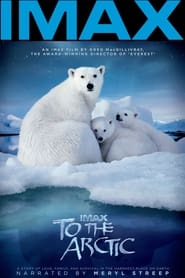
To the Arctic
دانلود زیرنویس English
هماهنگ با نسخههای زیر
برچسبها
پیشنمایش زیرنویس English
نخستین 133 خط.
There are few truly wild places left...
... and none so majestic as this.
In winter, endless darkness is brightened...
...by the frisky dance of the northern lights.
And 30 below is the norm.
It's lovely weather for polar bear families.
One hundred and fifty thousand years ago...
...some brown bears moved north and gradually adapted.
Over time, their fur turned white...
... for camouflage.
Their snouts got longer...
... and their noses keener...
... to detect even the slightest whiff of dinner.
This is a cold, stark world...
...but to polar bear mothers and cubs...
...it's paradise.
Because they're built for the Arctic...
...polar bears cannot thrive anywhere else.
They're at home here and only here.
Polar bears have always hunted...
...from floating platforms of sea ice.
Feasting on rich seal meat...
...has made these the largest bears in the world.
But now the Arctic is warming...
... and the sea ice is melting away...
...making it harder than ever to catch seals.
This warming...
...has left the polar bears on thin ice.
The less ice there is to reflect the sun's rays...
...the faster the ocean warms.
That's why the Arctic is warming twice as fast as any other region.
In 1980...
... the summer sea ice covered 25 percent more ocean...
... than it does now.
If the current trend continues...
... the Arctic Ocean could be free of sea ice each summer...
...by the year 2050.
Even if we can't stop this loss, we can slow it down.
Just as we release the greenhouse gases that are warming the region...
... we can help reduce them.
Ocean currents flow from the Arctic...
... and cool the entire planet.
So we're all closely connected to the top of the world.
Most Arctic glaciers are melting faster than ever before.
Ironically, the faster these glaciers melt...
... the more majestic their waterfalls.
The distance between ice packs is growing.
Nowadays, a polar bear in search of sea ice often has further to go.
It can be a swim to nowhere.
When they can 't find seals to eat...
...mothers make do with meager scraps.
One mother and her cub set out on the longest swim ever tracked.
The mother swam continuously for nine days...
... covering 430 miles.
But her cub did not survive.
Some cubs do survive...
... especially if the mother is a clever scavenger.
Like polar bears...
...birds are struggling as the Arctic warms.
Arctic birds time their lives to the seasons.
So do the Inuit people...
...Iike Simon Qamanirq.
Polar bears surprise us in camp.
Especially in the lean summer months.
My father could read the clouds.
He knew when the storm was coming.
But now the ancient weather patterns have changed.
Our grandfathers fed their families well.
My family has always depended on snow and ice.
Nowadays when the ice melts, we can adjust...
...but the polar bears are not so lucky.
The ice is forming later in the year...
...so it's thinner.
Sometimes we fall through.
My friend Adam Ravetch has been coming up here for 20 years...
...to photograph the animals.
I love it when a mom dances with her 2-year-old cub...
...cheek to cheek.
Polar bears are great swimmers...
...even though they only use...
...their gigantic front paws.
These dedicated mothers put over two years...
...into raising their young.
Walrus moms spend even longer.
Walrus love clams.
They dive down from rafts of ice...
...which drift along and carry them to fresh supplies...
...of their favorite treat.
As sea ice melts...
...walrus are stuck on land...
...so mothers must swim farther to find food for their young.
Mothers teach their young survival skills...
...such as scaring off intruders.
One mom sent me a very clear message:
"Get lost."
Summer in the Arctic now lasts about a month longer.
Walrus and hungry bears...
...wait and wait for the sea to freeze over.
The males get restless...
...and start sparring.
They're testing each other's skills.
It's fun.
When it's not...
...mating season, these fierce rivals are content to live and let live.
The bears need...
...to get back out to their hunting grounds now that the sea ice is...
...finally freezing over.
This water is literally as cold as ice.
The salt keeps it from freezing.
These sea anemones look healthy.
But the greenhouse gases we release thousands of miles...
...away have made the Arctic Ocean more acidic.
Down here, there's only one exit...
...and it's pretty scary thinking you could be trapped.
Diving beneath the ice takes courage.
But for the people who devote their lives to studying the Arctic...
... taking risks is part of the job.
Each spring in Alaska...
...Iarge herds of caribou set out on a long journey.
No one has ever tracked the entire migration on foot...
... until now.
Leanne Allison, a filmmaker...
... and Karsten Heuer, a biologist...
...plan to live with the herd for five months.
We're gonna do this trip to see what the caribou mothers go through...
...and to see this migration from their perspective.
And it's gonna be our honeymoon as well.
Honeymoon?
These newlyweds will follow the caribou...
...all the way to their birthing grounds.
These caribou mothers are on a tight schedule.
Yeah, that's gotta be caribou paths. Look at that drainage coming in.
Yeah, just over there....
To the Arctic subtitles in other languages
More English subtitles for To the Arctic
- To The Arctic 2012 720p BluRay DTS x264-PublicHD · 36 downloads · 2013-03-24
- To The Arctic 2012 720p BluRay DTS x264-PublicHD · 37 downloads · 2013-03-24
- To The Arctic 2012 720p BluRay DTS x264-PublicHD · 23 downloads · 2013-03-24
نظرات
No comments yet. Be the first to leave one.