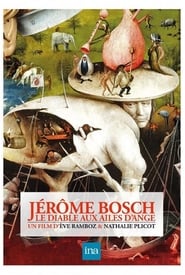
Hieronymus Bosch: The Devil with Angel’s Wings
Jérôme Bosch, le diable aux ailes d'ange
I-download ang English Subtitle
Impormasyon ng release
Mga Tag
Preview ng subtitle na English
Ang unang 200 linya.
we're in the netherlands
in the 15th century in the workshop of a
revolutionary painter
hieronymus bosch there are few remaining
traces of his life
by turns he has been considered a genius
an avant-gardist and also a heretic
influenced by a secret society
he had access to the rarest documents he
rubbed shoulders with the greatest
figures
princes and scholars alike he was
forgotten for two centuries
then resurrected and he is surely the
world's foremost surrealist
only 26 paintings have been left to us
all painted on wooden panels
most are triptychs which were displayed
in churches
they were kept shut six days out of
seven
and on the seventh day sunday they were
open to be presented to the faithful
the best known among them is the garden
of earthly delights
the most enigmatic work by hieronymus
bosch
in the center little naked figures
indulge in the pleasures of life
but on the right punishment and death
lie in weight
this descent into the underworld into
the chaos of hell
contributed to his being dubbed the
devil maker
but was that really all he was
in all his work hieronymus bosch used
medieval symbols
but he broke from the medieval world
with his most sacrilegious call for a
new man
nonetheless the church never bothered
him
the bosch mystery remains intact
we know he was born around 1450 with the
last name
van akan in the netherlands in the city
of sertogenbosch
at the time the city was an important
commercial and cultural crossroads in
the region
after brussels and antwerp the city was
protected by heavy doors
to the many canals which funnel traffic
towards the center
hieronymus bosch was born into a humble
family of painters
originally from arkhan in the 15th
century
the van akan dynasty was at its peak and
moved on to the main market square
bosch lived there first with his family
and then later with his wife
after working in his father's atelier he
had his own
somewhere in the center of the city
hieronymus bosch
only left sertogenbosch once in his life
he didn't travel although it was
customary for artists to do so at the
time
the world came to him
from the evidence of what bosch's
life in sartorian boss can was like
and from the evidence of his relatives
it does seem that he lived at least on
the surface a very pious life
a life which involved his membership
in the most elite of religious
confraternities of his city and probably
one of the most
elite confraternities or brotherhoods of
his whole
northern culture so we know that bosch
therefore
was at the heart of what one might call
orthodox
late medieval poetry based in group
activities but also intensely
uh invested in private looking
at who you are and what your inner state
is and how sinful you are
in a sort of public way also confession
and
penance and so forth
the illustrious brotherhood of our
blessed lady brought together the city's
intellectual
commercial and political elites and had
influence
all over europe in 1478
the marriage of hieronymus bosch to aled
van de merven
one of the city's great aristocrats
guaranteed him
financial ease and higher social status
and helped him reach the highest level
of the brotherhood
he became a sworn member afraid
foreign
the noblest
hieronymus bosch became the official
painter of the brotherhood
he held banquets in his home and made
strong
friendships with its members who came
from all over europe
religion was indisputably one of the
cornerstones of his life and his work
most of his paintings depict biblical
scenes
the passion of jesus christ hell
saints facing temptation and genesis
to be sure to remember the original sin
in his paintings bosch used religious
symbols
common during the middle ages and
understandable by all at the time
fish for example very present in his
work in all its forms
symbolized christ as our savior
the goldfinch symbolizes the passion of
jesus christ
legend has it that the bird seeing
christ suffering under his crown of
thorns
tried to remove it spattered by the
blood of christ
it was given red plumage in return from
that day on
its head was scarlet to commemorate the
passion
it is associated with thistle flowers
which symbolize christ's crown
in the middle ages there were symbols
everywhere in this painting
saint john is alone on the island of
patmos lost in his vision
at his feet the eagle watches over the
pen and ink he uses to record miracles
on the right the devil wants to seize
them
the fire on his head symbolizes his
infernal origins
bosch gave him short arms to prevent him
from snatching the inkpot
his body is composed of hybrid animals
bundled together in heavy armor
in the background a blue tinge landscape
peppered with marshes gives depth to the
painting
by clearly separating the background
from the foreground
here he transposes his village to
represent greece
in many paintings versions of certogen
bosch
and its surroundings also serve as the
setting for scenes of daily life
village games peasants and fishermen
but also spitefulness vanity
and the transience of earthly things
bosch was an attentive observer of daily
life
and depicted human behavior with
precision
if i were to send a person
to one painting to understand all of
basha's work
i would certainly send them to the
so-called seven deadly sins and four
last things in the prado what you have
is representation of the world
beautiful in its uh in its funniness in
its careful detailing of
what people are like and what people do
in the form of seven
scenes of sin these aren't allegorical
scenes they're
sin enacted in everyday life a person
overeating with his son with a sort of
scrofulous
hair trying to get some of the food and
somebody bringing in more food enablers
we would call them
for somebody's overeating all that goes
on
so what do we learn from that we learn
that bosh
is the greatest and first genre painter
Mga Komento
No comments yet. Be the first to leave one.