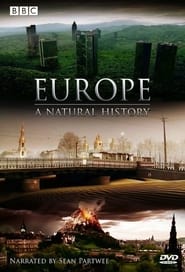
Europe: A Natural History
د English ژباړه ډاونلوډ کړئ
د خپرونې معلومات
تګونه
د English سرليکونو مخکتنه
لومړۍ 200 کرښې.
21 st century Europe...
...730 million people...
A relentless force of change.
Man and Nature must find new ways to coexist.
In Europe's cities, people and animals crowd together.
The changes that have made Europe what it is today...
have been ever accelerating.
400 generations had to pass to take
Europe from Stone Age farming to industrial agriculture.
Yet just 100 generations laid the densest road network in the world.
And it has taken only 10 generations to fell more forest
than all their ancestors combined.
But these are nothing compared to the changes taking us
in to the 21 st century.
New technology...
New invaders...
New efforts to bring back lost wildlife...
And new wilderness... helping natives to return.
Since it's birth billions of years ago,
Europe has been in a constant state of change...
...it's wildest fringes are timeless reminders
of the fundamental forces still at work today...
and which will ultimately shape the future of this unique continent.
Rome... where Europe's taste for city life began.
Two thousand years ago, this was the sole metropolis on the continent.
Today, three out of four Europeans are city dwellers...
...not all of them are human.
For every million people in Italy there's over half a million cars...
...and here in Rome, nearly as many motorbikes...
Even in the middle of winter, there's plenty of basking to be done...
But at this time of year it's not without risk...
Romans have learned to be wary of clouds...
Huge numbers of winter tourists are flying in from the north...
Rome's ancient soothsayers used to read the future
of the Empire from the flight patterns of these birds.
But today, when swarms of starlings darken the sky,
you don't need to be psychic to divine imminent disaster.
Starling droppings are extremely corrosive...
eating fabric, paints, metal and stone...
and they're as slippery as soap.
Three million birds come here each winter.
For one reason only...
The city is literally a "hotspot"...
significantly warmer than the surrounding countryside.
Cities burn lots of fuel.
Their buildings absorb sunlight and smog helps to retain the warmth.
Each evening, as the starlings descend on Rome,
they rain down tons of foul smelling droppings.
But the empire strikes back.
Volunteers set out to defend the city.
These new legions come armed with searchlights and loudhailers...
blasting out starling distress calls.
The message is loud and clear... but will it be heeded?
Starlings are not the only birds that have adapted
well to the urban environment.
Vienna... at it's heart Saint Stephen's...
...one of Europe's finest cathedrals.
Massive, yet intricate, it has caught the attention
of many a visitor over the past 500 years...
...including kestrels.
The gothic architecture mirrors the limestone crags of the nearby Alps.
Kestrels like pigeons are drawn
to cities because they're natural cliff dwellers,
seeking shelter in high and inaccessible places.
Bats also find sanctuary here...
...but a night hunter haunts these belfries...
...the stone marten.
It's not after bats... but pigeon eggs.
From the roof of Vienna's cathedral to Charles Bridge in old Prague,
hundreds of thousands of stone martens patrol Europe's
city streets... unseen and unsuspected.
Even people can find themselves victims.
Martens can't resist cars.
Beneath the bonnet there's a cosy den... and plenty to chew on...
In just one night in Munich, West Germany,
a single stone marten damaged 100 cars.
Martens are wily creatures...
but you'll certainly know if one has paid you a visit.
On the bright side, stone martens can increase personal fitness...
and even the use of public transport.
But on the down side...
are the steadily rising premiums for car insurance.
Daybreak in northern Spain.
The medieval town of Alfaro is anything but sleepy...
European white storks are natural tree dwellers,
but with a shortage of big, old trees, they resorted to boulders.
And with over crowding of these, they were forced to think again.
Now some 140 stork families reside on Alfaro's cathedral alone.
But they're not here just for the real estate...
On their doorstep, there's an endless supply of food...
Europe produces over 2 billion tons of household waste per year...
plenty of opportunity for scavengers...
Griffon vultures are only too keen to join the feast.
Rubbish dumps offer more than just food.
For urban red foxes they also provide valuable den sites.
Estimates suggest some 10,000 red foxes may live in London alone.
These highly adaptable scavengers are now
establishing themselves in cities right across the continent.
And they're not the only ones.
Budapest. Spanning the river Danube,
Hungary's capital is a city flanked by woodland...
...making jogging something of an adventure sport.
During the rutting season,
wild boar can give you a good run for your money.
The woodlands around Budapest, Berlin and Vienna are full of them.
The increased protection of wild boar in central,
eastern and southern Europe has allowed numbers to soar.
Many of these normally secretive forest dwellers
have now lost their fear of man: They're overrunning villages,
city suburbs and farmland.
Farmers of ten find there's been an early harvest...
...and that their fields have even been ploughed.
Over millennia of agricultural growth,
some wild animals have found ways to exploit
the intensively groomed landscape.
All of this was once impenetrable forest.
Europe's moderate climate...
and rich geological past...
make it the most fertile continent on Earth.
6 million square kilometers of prime fields and pastures.
From the rice fields of Italy to the tulip fields of Holland...
Europe's agriculture is big business.
Each year 3 billion tulips are harvested
in Holland and sent all around the world.
The continent produces around 250 billion Euros worth of crops.
Where does all this leave wild nature?
In the days of traditional farming, hares were a frequent sight;
but heavy use of chemicals and radical landscaping drove
them from the fields.
But now there's a greater awareness of the needs of wildlife...
Hares are making a healthy comeback across much
of Europe's farmland...
but they've still got to watch their backs.
For roe deer some fields make important fawning grounds.
But thousands fall victim to agricultural
machinery during the summer harvest...
Pink footed geese use the farms
of western Europe as valuable stopovers.
Here they refuel during their long journey
to Europe's remotest corners...
The untamed north...
...an arctic wilderness...
...stretching from Scandinavia to the Pole.
It's one of the world's most inhospitable climates,
only the hardiest can live here all year round.
But come summer, under the midnight sun,
the skies are alive with visitors.
Europe's remote northwest fringes are peppered
with islands and bathed by the Gulf Stream.
These ice free waters are among the most productive in the world.
But it's not just Europe's highest latitudes
that have remained beyond our easy reach.
The Alps... a wilderness towering
over the very heart of the continent.
Europe's tallest and most extensive mountain range.
The Alps are flanked by sprawling forest...
...but Europe's most prolific woodlands are found further East...
...here... among the Carpathians and Balkans.
Traditional farming persists, more in harmony with nature...
For centuries little has changed...
In Europe's Wild East, farmers and herdsmen
have always lived peacefully alongside big predators.
In the West, these same animals were feared and persecuted.
These forests are now crucial reservoirs
for animals that have vanished from much of the rest of Europe.
Slovakia and Romania are home to the greatest numbers of bears,
wolves and lynx on the continent.
For half a century this thriving eastern forest was largely
cut off from the remaining pockets of woodland in western Europe.
From the Baltic to the Black Sea,
Europe was split in two...
The dividing line 3,000 kilometres long.
The Iron Curtain was a border of death, inhumane and unnatural...
...secured with mines, booby traps, electric fences,
watchtowers, attack dogs and thousands
of military troops and border police, with the order to kill.
Day and night, guards watched for any movement along the border.
Inside the fence was a five kilometre wide strip of land...
for decades, a no go zone...
When the Iron Curtain eventually came down,
the fence was demolished, minefields were cleared...
and watchtowers levelled.
Today, only a few traces of the Curtain still linger...
like the odd patrol track.
But what does remain is a green corridor across the continent.
And here, wild Nature is quick to reclaim abandoned buildings...
and derelict military bases...
creating a new kind of wilderness.
For the first time in a century, wolves are back in Germany.
They have made their own way from the east.
A former Soviet military base not far from
Berlin is now a refuge for returning wildlife.
The old border of death... has become a new corridor of life.
Along it's length, countries have united
to help create a string of new national parks.
There are few places on the continent
where Nature now has such free reign...
and already wildlife is on the move.
Lynx thrive in the vast woodlands of Poland and Slovakia,
but for the past century they've been on the brink
Europe: A Natural History subtitles in other languages
More English subtitles for Europe: A Natural History
- EP3 2005 DualAudio DVDRip XviD-NewMov ENG · 10 downloads · 2007-08-26
- EP2 2005 DualAudio DVDRip XviD-NewMov ENG · 17 downloads · 2007-08-26
تبصرې
No comments yet. Be the first to leave one.