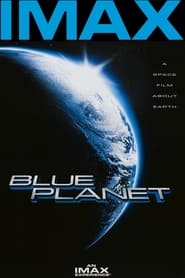
Blue Planet
Скачать English субтитры
Предпросмотр субтитров (English)
Первые 200 строк.
Well, 16, the launch team wishes you...
...good luck and Godspeed.
We appreciate that, and we can't do without you.
Launch commit and liftoff.
We have a launch commit, and we have a liftoff.
The swing arm is moving back. We've cleared the tower.
Roger, cleared the tower.
Houston is now controlling.
Not so long ago, we left our Earth for the first time...
...to explore a neighboring world in the solar system.
Well, Houston, Sweet 16 has arrived.
Roger, 16, copy you loud and clear.
We found a fascinating place...
...but barren and lifeless.
We've stopped, and let's take a gander around...
...and see which way we ought to head.
Dave, if we could make it out that far, directly ahead of us.
Look at those large blocks.
You mean as we come down the slope, yeah, at 12 o'clock.
One sight stood out from all the others.
When we looked back across the moon's horizon...
...we saw the Earth, our home...
...a tiny oasis...
...beckoning across all those miles of empty space.
I'll tell you, it looks beautiful going away...
...and it'll look even better coming back.
To look at our Earth from the outside...
...is to discover an entirely new planet.
We can see familiar landforms...
...like Florida and the Bahamas.
But what's most striking from space...
...is that our world...
...unlike any other we know of...
...is a world of water.
Two-thirds of it is covered by ocean...
...glistening in layers of blue and turquoise...
...through a delicate filigree of cloud.
All of it is wrapped in a thin layer of air...
...shielding its surface from the harsh radiation...
...and cold vacuum of space.
If it weren't for this fragile cocoon...
...our beautiful planet would be as dry and lifeless...
...as our nearest neighbors in the solar system.
Mars has only a feeble atmosphere.
It's locked in a permanent ice age.
Venus, under a very dense atmosphere...
...is hotter than an oven.
Nothing could live here.
As far as we know...
...only the Earth can support life.
To learn more about the unique environment...
...which makes life possible here on Earth...
...we're now returning to space, in a variety of craft.
We call this: "Mission to Planet Earth."
Shannon, come on up!
This is great.
Only a few hundred people have actually seen the Earth from space.
Look at that.
Here, we can see it as a whole.
Floating beneath us...
...Sri anka and lndia.
But now we also see a planet...
...bathed in the light of a nearby star: the Sun.
Ours is a world of constant change...
...shaped and reshaped by nature's powerful forces.
lts blueness came out of the Earth itself.
The ancient oceans were steamed out of the interior...
...by erupting volcanoes.
We know this one as the Big lsland of Hawaii.
Now whole continents appear.
Europe is on the left.
Stretching beyond Gibraltar to the horizon...
...the Mediterranean Sea.
On the right: Africa.
Deep in the heart of Africa...
...we ome upon a land of forests, lakes, and rivers.
We're crossing over Lake Victoria...
...and the broad plain of the Serengeti.
Here, beneath us...
...our planet's systems of water, earth and air...
...interact to sustain life.
To observe this complex environment more closely...
...we'll drop down to the surface of the strange red lake below.
This is Lake Natron.
It's hard to believe any life could exist here.
But, in fact, the lurid color is the life itself.
The water is teeming with red algae that feed on white soda...
...from nearby volcanoes.
Ash, spewing from these volcanoes for millions of years...
...nourished the great grasslands of the Serengeti...
...where a wondrous array of species evolved.
Each depends in some way upon the others.
Every link between animals and plants...
...is a strand in the rich fabric of life on Earth.
Of all the creatures that evolved in Africa...
...only one stood upright.
Only one developed tools and language.
For about a million years...
...humans were hunters and gatherers.
Then we discovered farming.
Now the same land could support many more people.
But without the Earth's life-support system of water and air...
...not a living thing could exist.
Two hundred miles above the Earth...
...there is no air.
This astronaut must wear a space suit.
It supplies the oxygen he needs...
...and insulates his body from extreme heat and cold.
Inside, the orbiter functions somewhat like a miniature Earth.
The environment is carefully balanced to keep the astronauts comfortable.
One system controls the temperature.
Another supplies oxygen.
On Earth...
...the forests and oceans absorb the carbon dioxide we exhale.
In space, the crew uses special canisters to clean the air.
For a short time, this artificial system supplies to the astronauts...
...what the Earth has always provided for us.
lts natural systems slowly recycle the air...
...the water, and even the rock.
In one cycle...
...heat from the sun evaporates water from the ocean to form clouds.
Winds drive the clouds over land.
Rain from the clouds falls back to the Earth...
...and then runs down to the sea...
...where the cycle begins once more.
Heat stored in the clouds can drive them upwards...
...into towering thunderheads.
Inside them, powerful electric charges are building.
You can see lightning on Earth from space.
Astronaut Charlie Bolden:
Probably my favorite spectacular view is nighttime...
...watching lightning all over the Earth...
...as it goes from cloud top to cloud top...
...over hundreds of miles.
Almost as if somebody is conducting an orchestra, you know...
...and the light is flashing in response to the music and everything.
You float up in the window and look for long periods of time...
...in amazement at what's going on down there.
In places where there is a lot of rainfall...
...an abundance of life springs forth.
The plants produce oxygen which we and the other animals breathe.
Life on Earth is easy to see from space.
Costa Rica and Panama are green with it.
But other places in the world get almost no rain.
In the Namib Desert, only wind has shaped the surface...
...sweeping the parched sand into dunes nearly 1000 feet high.
In some of the driest deserts...
...people have drilled for water trapped in the rocks deep below the sand.
Each one of these tiny circles is an irrigated field...
...half a mile in diameter.
But this is a short-term gain.
It will take only 50 years to use up all the water...
...but more than 10,000 years to replace it.
In some regions, like the Sahara...
...the amount of rainfall can change drastically within a single generation.
When we sta·ed looking at Lake Chad from space...
...we saw that it was shrinking.
Soon a wave of droughts...
...brought starvation to the people living here.
We don't know why these local changes occur...
...but we do know that the Earth's climate, as a whole...
...has changed over much longer periods.
During the last million years...
...great sheets of ice advanced and retreated several times...
...burying Northern Europe and much of North America.
This is the Hubbard Glacier in Alaska.
Trapped deep inside these frozen walls...
...is a record of climate change...
...going back thousands of years.
By analyzing samples of the ancient ice...
...we may learn to predict our future climate.
Ten thousand years from now...
...perhaps the sites of Montreal, Detroit, and Copenhagen...
...will again lie buried beneath a mile of ice.
And it's moving. Looks good.
To observe large-scale changes on the Earth...
...we use satellites.
The TDR satellite will act as a relay...
...linking scientists with dozens of spacecraft...
...watching different parts of the globe.
Kathy, it looked like we had a good deploy on time.
Everything looks good.
Some study ocean currents.
Others monitor the health of crops.
They also warn us when storms develop.
Of all the storms...
...the most dangerous and unpredictable are hurricanes.
Without help from satellites...
...we could not prepare ourselves for the onslaught.
We are under a hurricane warning.
Officials of Civil Defense are advising voluntary evacuation...
...of the Berry lslands.
Hurricane Hugo, after ravaging Puerto Rico...
...tore into South Carolina.
What was once a national forest is now a heap of kindling.
Where once there was a house, only the front steps remain.
Overnight...
...nature's fury has devastated entire communities.
But then, as quickly as it struck...
...the storm vanishes...
Blue Planet subtitles in other languages
More English subtitles for Blue Planet
- The-Blue-Planet 720p BluRay x264-HiGHTiMES,Ganool video · 33 downloads · 2015-10-05
- imax Blue Planet MVGROUP · 25 downloads · 2013-09-13
- IMAX Blue Planet 1990 REPACK 1080p BluRay x264-PUZZLE · 36 downloads · 2011-10-09
Комментарии
No comments yet. Be the first to leave one.