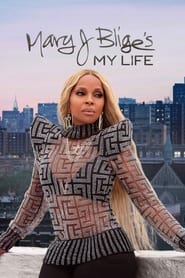
Mary J. Blige's My Life
English സബ്ടൈറ്റിൽ ഡൗൺലോഡ് ചെയ്യുക
റിലീസ് വിവരങ്ങൾ
ടാഗുകൾ
English സബ്ടൈറ്റിൽ പ്രിവ്യൂ
ആദ്യത്തെ 165 വരികൾ.
WOMAN (over speakers): Get on your feet right now.
-Come on, now. -(crowd cheering)
The recipient of the 2019 Lifetime Achievement Award...
Nominated for 31 Grammys.
A double Oscar nominee this morning.
She is a global superstar
who has won nine Grammy Awards and sold over 50 million albums.
Star on the Hollywood Walk of Fame.
She created a new national anthem for women.
The undeniable queen of hip-hop and R&B,
Mary J. Blige!
-(camera flash echoes) -(cheering fades)
All right.
Perfect.
It feels really good
to be at this point in my career and have done so much,
between music, TV, philanthropy.
Get that chin up a little bit more.
Nice. Bring that face around for me right here.
I’ve done pretty much everything
that I’ve-I’ve always wanted to do.
Nice. Stay right there, Mary.
But success comes when you are successful inside.
For a long time, I didn’t know I was successful outside
because I was a-a wreck inside.
Because, when I was growing up in the neighborhood we lived in,
it was like, "You better not dream it.
You better not hope it."
And so my mission has been to actually help women
to believe in themself and help, you know, help myself
believe in myself and live out things
and let people, especially women,
see how I come through ’em.
-(indistinct chatter) -(man whoops)
I have 13 albums, but my second album, My Life,
is the most important because there was a lot in me,
and there was a lot wrong,
and there was a lot I needed to get out.
The My Life album was probably my darkest album
at one of the darkest time in my life.
I’ve had plenty dark times, though, since then,
but this was like a turning point.
This was a decision I had to make, either live or die.
Most of the times, I was just depressed
and didn’t want to live because I didn’t love myself.
I didn’t know that so many people felt the same way.
-How you doing, sweetie? -How you doing?
-I’m good. How are you? -How you doing?
This album was very important to them,
and they make me remember that I’m not the only one
going through the things that I’m going through.
-You’re my inspiration. -Thank you.
Thank you so much for everything.
Oh, you’re welcome, baby.
Thank you so much
for all this love.
Y’all know how real it is.
My life is real, real, real.
And this is just filling me up.
Thank you so much.
Mary!
Her vulnerability
and her courageousness to share, um,
for me, for my daughters, that’s what I want them to see.
I want them to see that they can express theirselves.
Her image, you know, her story, how she tells it,
so raw, so vulnerable, so bold
and unafraid to be who she is,
she made it okay for people to say, "It’s all right to be me."
And I always wanted to see women do better,
be stronger, be beautiful, believe in themselves.
It’s been 25 years since I put the My Life album out
and I started speaking to my fans.
And it’s a place where I survived.
So it’s, um, it’s very important to be here to tell that story.
("Everybody Loves the Sunshine" by Roy Ayers Ubiquity playing)
The My Life journey started with
"Everybody Loves the Sunshine" by Roy Ayers.
I don’t know what’s in that record,
but there was something in it
that just cracked open everything in me.
That was the first music, as a child, that stuck with me...
...because it made me forget
that we lived where we lived.
That sound used to just drive me nuts.
It’s something about "in the sunshine," I--
-"my life in the sunshine." -(song fades)
Just made me want to...
: that record made me...
I’m sorry.
That record made me feel
something like-like I-I could have something.
But I couldn’t get my hands on it,
but like I could have something.
"My life in the sunshine" was something I wanted.
This is where we was
-when I first heard that song. -Wow. -Yeah.
-This little girl is the person that heard that song. -No.
-Yeah. -That’s what Daddy listened to.
-Yeah. -Mm-hmm.
Dad was about that music life, and he made sure we d-digest
every kind of music he loved or he liked.
-Both of them, him and Mommy. -My dad had
-Grateful Dead albums. -Yeah, rock.
Like, we would go look at his music, and it’d be
all types of shit in there.
-Be heavy funk and rock and roll. -(laughs)
Like, I was like, "Heavy funk and rock and roll?
-"What is this? -(laughter)
-What is this stuff?" -Yeah.
-That’s what Daddy listened to. Yeah. -Yeah.
That’s what molded and shaped you
into what you do today.
The influences in your past, your roots.
-Mm-hmm. -Yes.
-Yeah. Wait. Yeah, this isn’t--
-This is Hastings. -LaTONYA: Hastings.
-Wow. -MARY: I was four, and LaTonya was five.
And when we was about seven, we moved to Schlobohm. -Schlobohm.
My parents had gotten divorced,
and my dad, he was my-my friend, you know?
I really loved him.
And so, when he was gone, it was very sad for me.
We moved to a violent environment,
and it was rough for my mom,
as a single-parent mom trying to raise two girls.
-Mommy. My mom. -My beautiful mother.
Although we had love, my mom and my sister and I,
from the first day we moved there,
we had to fight the kids in the neighborhood.
And in that environment, I don’t know how she did it.
She was a nurse and wanted to take care of her family.
But she sang, too.
My mother used to sing around the house
and... dance and everything,
so that’s why Mary get all her little dances.
("Clean Up Woman" by Betty Wright playing)
She would play The Staple Singers
and Gladys Knight or Aretha Franklin
and walk around the house singing "The Clean Up Woman."
Anything my mom did, she would sound just like ’em,
and she was so beautiful to me.
I just always wanted to be her. I wanted to look like her.
I wanted to sing the way she did.
I would go to the mirror with a brush and sing
and try to mimic anybody my mother listened to.
But it wasn’t like I was running around,
telling everybody I was gonna be a singer.
I would just sing loud, just sing.
But I didn’t dream big or think for a moment that it was like,
"Okay, I’m gonna be this big star,"
because our environment didn’t tell us that.
Our environment told us that this is it.
I was the little girl that looked at certain artists
and certain things on commercials
and television shows and movies
and wish that I had certain things.
But in that neighborhood,
someone will get jealous or mad at you for having something,
you know?
For having a smile, for having a dream.
If I was ever dreaming, I didn’t dream anymore,
especially when we became teenagers.
It just got worse, so I said,
"I’m not gonna let these people see me smiling too much.
Mary J. Blige's My Life subtitles in other languages
More English subtitles for Mary J. Blige's My Life
- Mary J Bliges My Life 2021 2160p WEB-DL DD+5 1 HDR H 265-BIGDOC eng · 19 downloads · 2022-06-02
- Mary J Bliges My Life 2021 1080p WEBRip x264 AAC5 1-[YTS MX] · 17 downloads · 2021-06-27
- Mary J Bliges My Life 2021 720p WEBRip x264 AAC-[YTS MX] · 18 downloads · 2021-06-27
- Mary-J-Bliges-My-Life-2021-WEBRip-XviD-XVID · 29 downloads · 2021-06-25
അഭിപ്രായങ്ങൾ
No comments yet. Be the first to leave one.