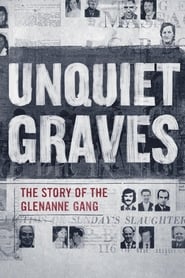
Unquiet Graves
English സബ്ടൈറ്റിൽ ഡൗൺലോഡ് ചെയ്യുക
റിലീസ് വിവരങ്ങൾ
ടാഗുകൾ
English സബ്ടൈറ്റിൽ പ്രിവ്യൂ
ആദ്യത്തെ 200 വരികൾ.
Still a Dublin free on the 70 yard line,
and Gay O'Driscoll's going to take it.
The whole Dublin team standing up there for a moment.
This is Mickey Lynch.
And Alan Larkin grabbed hold of him there,
but the referee gives the Derry man the advantage,
up to John O'Leary,
and Brian Mullins is gone back to try cover up.
O'Leary now...
...and it's a goal!
It's a goal and a great goal!
A great goal Sean O'Connell!
Oh what a lovely goal!
The funerals have taken place of the two victims killed
in Tuesday's attack McGleenan's bar in Armagh.
45-year-old John McGleenan was shot in the chest
while 32-year-old Patrick Hughes died as the gunmen detonated a no warning explosion.
#
Is everything okay?
Do you have your license?
Yeah.
Step out of the car.
> Out.
Get down.
Get down!
Hey, stop!
Stop!
Stop!
The area was cordoned off
and at first light this morning,
British Army technical experts went in to examine the bodies
in case they had been booby trapped.
Who do you think might be responsible?
Well...ask anybody around here and they'll tell you.
Ah, this is within the, what we describe as the 'murder triangle'.
Portadown up to Coalisland, up to Aughnacloy,
where there have been more sectarian assassinations
per head of the population than anywhere else in Northern Ireland.
The awful thing is that
not a single one has been sort of made amenable to justice for them.
Assassinations and murders,
UDA, UVF, UDR,
and MI5, MI6,
politicians and murder gangs.
The border land of South Armagh,
an area of Ireland steeped in Celtic mythology.
Where the ghosts of Cu Chulainn,
Queen Maebh,
Fionn Cumhaill,
and Calliach Beara, haunt the county's many burial cairns and crypts.
Its rugged slopes, green fields and sweeping plains reach out to the fuse
that cradle the resting places of 18th poets,
such as Art Mac Cumhaigh,
Padraig McAlinden,
Seamus Mor Mac Mhurthaidh.
A land where ancient quarrels have been settled
but yet find time to reignite.
There's an ironic tragedy between the beauty of this land,
and the dark secrets it holds.
My father met my mother in the late 60s.
They got married and set up home in Belfast.
At that time, my father was working the Rolls Royce factory in Belfast.
Until some of his work colleagues found out he was a Catholic
and he had to leave.
He then worked as a post man in the area for a while.
At this stage we were living in the Stranmillis area of Belfast.
There were a small number of Catholic families living in the area at the time
and we'd been warned on a number of occasions it was time to move out.
I suppose the final straw for us was whenever
a pipe bomb was left on one of our near neighbour's window sills.
Mummy and daddy obviously said at that stage it was time to move out of Belfast,
and the decision was taken to move on at that stage.
Daddy being from Birmingham,
mummy wanted to move there, she felt it would be safer,
but my father loved the countryside,
and loved south Armagh, so we ended up there.
I suppose my last recollections of my father
are of him leaving to go to the hospital,
to visit mummy and my new sister Roisin,
she was only two days old at the time.
And that's really the last that I can remember of him,
seeing him going out through the front door
to visit them in the hospital.
That particular evening,
my aunt was with my father
and the intention was to stop at Donnelly's bar on the way home
and have a celebratory drink with his work mates.
They'd only just arrived, about the same time as the gunmen.
As they arrived, they shot up the front of the bar,
shooting Patsy Donnelly and killing him almost immediately.
Michael Donnelly, the bar owner's son,
ran into the bar
and hid behind the door.
He was followed into the bar by the gunmen,
who sprayed the inside of the building with bullets.
Shooting my father and a number of other individuals
and seriously injuring them.
They then threw in a bomb.
A piece of shrapnel hit Michael Donnelly in the back of the head and killed him almost instantly.
The bomb exploded.
My father was probably already dead
because he'd been shot before that.
I came to work in Ireland in 1981,
and I found myself increasingly drawn to cases of miscarriage of due justice,
where nobody else was taking a particular interest.
And also in the potential for the state to take life illegally.
And as a journalist, you're always looking for stories
that nobody else is investigating.
It was an ordinary Sunday morning,
and I was reading the paper,
and a name sprang out the page at me, Brecknell,
somebody called Brecknell
had been killed in South Armagh sometime previously.
And I thought 'Breknell, that's not a South Armagh name'.
So I managed to contact the family and went down to meet them,
and I asked eye witnesses who'd seen how Trevor Brecknell had been killed,
to explain to his widow, who was sitting in the room with me,
exactly what had happened.
And it was a shocking, shocking experience.
It was the first time that Anne Brecknell,
had heard how her husband had been murdered.
I think the shock of finding out what we found out that day,
brought it home to the family really,
how little we knew about my father's killing and who was actually responsible for it.
I phoned my news desk,
expecting them to leap on the story and say,
'give us everything you've got'.
But the reaction was quite different.
It was 'oh no, not another Catholic sob story.'
I was just so, so disappointed
and hurt that that was the reaction in Dublin
to what I've discovered.
I pushed for the story to be written,
and in the end it was.
In and around this time, new information started to emerge
about would have been known as Loyalist attacks in the area.
I suppose I didn't know much more
about what had happened, other than the group called the 'Red Hand Commando',
has claimed responsibility for the attack.
So at this time, I began to ask questions of myself,
about what I did or didn't know about what had actually happened.
I started to ask questions of local people,
about what they remembered, about they knew about the night.
But we didn't really know where to go
to try and find out more answers.
At that stage, someone mentioned to me,
that the Pat Finucane Centre in Derry helped families
in similar situations to ourselves.
I think it was 1999,
Alan came into the office,
very softly spoken, very friendly
and he was wearing a suit
and we thought he was gonna sell us a photocopier or a printer
and instead he began to tell us about the attack on the bar
and about his dad, and what happened in the background.
He was aware there was an affidavit available,
as were we, that made a number of very serious allegations,
about collusive behaviour in a number of attacks in the area.
So we agreed we would look at it in detail
and look at all the different attacks that happened in the area at the time.
It was all very new to us.
Up to that point, we'd been active in a number of cases.
We'd been active around Bloody Sunday
and the Bloody Sunday Justice Campaign was based in the office.
And we agreed to call together a meeting of witnesses
in the GAA club in Silverbridge
and witnesses came forward,
a lot of witnesses came forward.
And I suppose the significance of the meeting was that
you had families with evidence and information
but you also had witnesses to the events
and the significance of this being that there was so many connections,
so many permutations,
so many leads to follow.
And obviously these had never been followed
by official bodies or people in authority.
Even though it's been hugely painful and traumatic
and we've lived with this,
this is something we need to do,
we need to take this forward and
what happened in my home when my loved one was killed, the incident,
is connected to what happened down the road,
it's connected to what happened just across the other county,
what happened in the other parish,
that day was powerful in that sense that
everyone in the room you pointed to, you'd either a witness to something that had a lead.
That piece of evidence that connected to another one,
that connected to...
...and what really was unfolding was this sense that
there was this gang,
of security force people that were supposed to protect the people,
supposed to bring people to justice,
that were actually out conducting these killings and carrying them out.
You might imagine that in a normal situation
they'd been asked to give statements,
that the police had asked them for statements,
this hadn't happened.
And they came forward,
and we began to realise that we were looking at something much, much bigger.
As we began to research this and to talk to people in the local area,
അഭിപ്രായങ്ങൾ
No comments yet. Be the first to leave one.