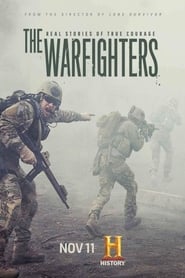
The Warfighters
English സബ്ടൈറ്റിൽ ഡൗൺലോഡ് ചെയ്യുക
റിലീസ് വിവരങ്ങൾ
ടാഗുകൾ
English സബ്ടൈറ്റിൽ പ്രിവ്യൂ
ആദ്യത്തെ 200 വരികൾ.
This was one of the deadliest times
to be on the battlefield in Afghanistan.
We were going into an area
that was nothing but insurgents,
so that we can draw these guys out to fight.
Something detonating
very often means the loss of somebody's life.
The last thing that I ever did
on the battlefield
was to put myself in between these guys
that I call my brothers and impossible death.
This is tracking to be a very violent month
here in Afghanistan.
Across the country,
these last few months have been
the deadliest of the war.
4,900 mortars, rockets, IEDs,
a 7% increase over the month before.
The surge of troops are in country,
going through every single compound in an area
that they have never been in before.
The biggest threats are the IEDs.
They're targeting us dismounted
walking through the fields.
In the summer of 2010,
it was an incredibly intense period
of being at war in Afghanistan.
We had so many targets to go after
and so many casualties across the board,
his was just one of the deadliest times
to be on the battlefield.
The country was a little out of control
in the areas we were working in.
You know, casualty rates started going up,
firefights started getting longer,
helicopters were being shot at or shot down.
Team Merrill is a task force that was created
to gather intelligence for the conventional military
by entering areas that coalition forces
had not been in, in a recent time.
We were able to give good intelligence
by being up front, for lack of a better word, behind enemy lines.
We didn't have specific people, usually,
that we were going after.
We would have a specific area that is a hotspot, you know,
and we would target that area because we knew
that there was a lot of enemy activity there.
We were all, all over the country,
so different terrain and different compounds,
different people, so, like,
anything can go on at any time.
It's often nothing
but military-aged male fighters,
you know, no women, no children,
so you know those are all people
that are there to be in the fight,
and we are gonna go in the middle of them,
and we're going to hoist up an American flag,
and we're gonna stir up
this beehive as much as we can
so that we can draw these guys out to fight.
We were essentially just the worm on the end of a hook,
but it was a great way to spark things up.
That's kind of every Ranger's dream,
to go get in a fight.
That's what you sign up for.
That's what I signed up for.
Hey, take this corner.
When you have a enemy fighter,
and you know about where he's at,
and you know about what he looks like,
and you know what he's shooting at you with,
you know, that's, that's a, that's a problem,
but it's a problem you can deal with.
But when you have these, these IEDs that are hidden in all sorts of places
where they think that you're gonna walk,
and you have no, no way to detect them,
sometimes it's, that's, that's a scary thought.
Get up! Get up!
Get up!
The term IED simply means Improvised Explosive Device,
and that was the largest killer
on our battlefield at that time.
This is nothing but insurgents
taking what they can find or they can buy
and manufacturing a homemade explosive,
and then manufacturing a system
to detonate that device on the battlefield somewhere.
As we became more advanced and became better troops,
they got better at what they did.
IED! IED!
We were having to combat, you know, vehicle-borne IEDs
and IEDs buried in the road and IEDs attached to trees
and IEDs attached to trip wires
and IEDs attached to pressure plates.
As a bomb technician, you are at the tip of the spear,
and that's a very dangerous place to be.
You're likely gonna be the first one
to run into an Improvised Explosive Device,
or if there is a tripwire,
you're the one that's gonna run
into that tripwire.
You're taking the hazard
that everybody else wants to move away from,
and you are the person that has to move very calmly
and very purposefully towards that hazard.
It wasn't me using my rifle to look for enemy combatants.
It was me using the tools that I had
to look off to the left and off to the right
to make sure there were not any explosive hazards
that were buried off in the bush.
EOB techs have a special job, obviously.
Their job is to keep people
alive and to keep people safe.
You're having to learn
a lot of things about physics,
or the chemistry that's associated with explosives,
but you also have to be a person that is,
say, capable of opening up the hood of a car
and working on an engine, and then on top of that,
you have to have a person that has the stones
to go stand on top of a bomb
and say, "I'm gonna disarm this."
It wasn't too long ago, my old high school
reached out to me to go to a speaking engagement.
The principal, he was introducing me,
telling the story of, you know,
"I pulled your file, Brian.
The very first thing on the top of that page,
the very first incident you ever did
when you were a freshman here in high school
is you let a few stink bombs off.
I think we could've predicted back then
that you might have a future in, in blowing things up."
So, and I guess I did.
I was raised in Grand Rapids, Michigan.
It's like a great blue-collar area.
It's just close enough to a city,
but I was in the suburbs.
You know, I grew up watching GI Joe,
and I grew up rolling and playing in the mud
and playing with guns and being a kid
that was out there hunting.
And so, I always wanted to be in the military.
I think it was something that I knew probably from a very young age,
and I think at the time that I was raised,
in the place that I was raised,
it was just so proudly touted,
you know, the pride that everybody has in America,
and I wanted to be a part of that growing up.
When I first entered the military,
I became a combat engineer, and a part of what you do is,
you do a little bit of work with explosives.
You do work with landmines, with cratering,
with things like that, and that's kind of where I got
my first real taste of working with demolition.
And so I said okay, I'm gonna become a bomb technician.
It's something that you actually
have to volunteer for.
I basically began the process to select and assess
for an Army special operations bomb technician unit
that was being newly created
specifically to support the Army Rangers.
I had known about the tradition
of Army Rangers, you know, long ago,
and I had some opportunities to work with those guys,
and I was always very impressed
by the work that they did
and, you know, impressed with the ethic that they had.
And so when this unit was being created,
basically saying Army Rangers are out there on the battlefield,
they don't have a specific group
of bomb technicians that can meet the need
of, of working on the battlefield.
I went through a very rigorous
selection and assessment process
as a part of joining this team.
He's probably one of the best techs
that we've had that I worked with, hands down.
I mean, he would move through, through areas
where I was kind of, you know, tiptoeing around,
hoping I don't step on something.
He'd just walk right by me like, "Get outta the way.
I'm trying to look for something," you know.
Looking for tripwire and stuff like that,
and here I am on eggshells.
You know, that's a big threat factor, these IEDs,
and Brian is the one that's
eliminating this threat factor.
And he saved our butts a few times beforehand,
so, you know, we have confidence.
You learn the-- the hazards of the job,
and you learn the best way that you can combat those hazards.
You're never gonna completely remove risk
from the job that you're doing,
but you know what the risks are,
and you know that somebody
has to take those risks for the purpose of something
that's bigger and more important
than ourselves as individuals.
More English subtitles for The Warfighters
- The Warfighters S01E09 HDTV x264-W4F · 8 downloads · 2017-11-15
- The Warfighters S01E09 HDTV x264-W4F · 10 downloads · 2017-11-15
- The Warfighters S01E06 HDTV H264-W4F · 37 downloads · 2016-11-13
- The Warfighters S01E05 HDTV H264-W4F · 24 downloads · 2016-11-13
- The Warfighters S01E04 HDTV H264-W4F · 33 downloads · 2016-11-13
- The Warfighters S01E03 HDTV H264-W4F · 32 downloads · 2016-11-13
- The Warfighters S01E01 HDTV H264-W4F · 38 downloads · 2016-11-13
അഭിപ്രായങ്ങൾ
No comments yet. Be the first to leave one.