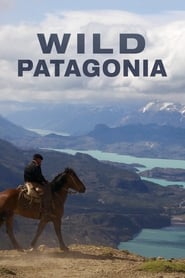
Patagonia: Earth's Secret Paradise
Download English Subtitle
Release info
Tags
English subtitle preview
The first 178 lines.
In a far corner of the Earth
is a South American wilderness.
These extreme landscapes
are home to strange and wonderful animals.
From the rugged peaks of the Andes
across the scorched desert steppe
to coasts battered by some of the roughest seas on the planet.
Living here takes guts and determination.
There are incredible opportunities for some.
For others, it's a battle to survive.
The pioneering spirit unites them all
under the spell of Patagonia.
This is the story of a coastline over 4,000 miles long.
From the bitter Cold of the far south,
forging northwards to the parched desert.
For those that dare, these shores offer unmatched bounty.
And the driving force behind these riches
is the turbulent ocean.
At Patagonia's southern extreme lies a rocky outcrop
steeped in nautical legend.
Cape Horn.
There have been 800 shipwrecks off the Horn,
with a loss of more than 10,000 souls.
This is where the AtlantiC and the Pacific collide
with the great Southern Ocean.
This far south, there's no other land all the way round the planet.
Nothing to stop the winds gaining speed
or the waves gathering height.
In this vast world of water,
the island of Los Estados is a vital refuge,
home to one of the Southern Ocean's most heroic birds.
DIY@HOSkY
A male rOCkhOpper
penguin stands gUard OVer hiS ChiCk, jUSt One Week Old.
The youngster has a huge appetite, but there's no food here.
They're both waiting for mum to return.
She's fishing far out at sea.
For the first three weeks of his chick's life, he must stay put
whatever the weather.
The frequent storms are a reminder
of just how close this island is to the Antarctic.
Dad might look fed up, but he's got the easy job.
His mate is returning from a day's foraging
at feeding grounds 15 miles out to sea.
There's a big challenge ahead
On this jagged coastline, there's no easy way out.
In suCh immense waves, crash landings are inevitable.
With a belly full of food,
like every mother here,
this female is driven by a need to feed her Chick.
But eaCh step is hard-won.
Thousands of rockhoppers make this journey each day
and the headland has attracted an unwelcome visitor.
A huge male sea lion, 100 times their size.
Tossed around, the tiny birds do their best to avoid him.
EaCh attack is a loss that will affect a whole family.
She's conquered huge waves and faced down a monster.
But before being reunited with her family
she still has a mountain to climb.
It's a big ask for a bird that Can't fly,
standing less than two feet tall.
But it's now that rockhoppers live up to their name.
Incredibly strong toenails grip the roCk.
The beak makes a good climbing tool.
The more experienced penguins make it look easy,
but it's a steep learning curve.
It takes youngsters a while to get the hang of it.
Misjudge it and it's back to square one.
At the top of the cliff, the going gets a little easier.
She's following the footsteps of generations,
forging deep tunnels through the tussock grass.
These pathways Connect around
20 different Colonies spreading up the hillside.
She's got to find her way through nearly half a million roCkhoppers,
but she knows where she's going,
returning to the same Colony each year.
Unfortunately, that happens to be at the very top of the island.
Finally, after a climb of over a mile,
she's made it.
And at last, it's time for dinner.
It's a messy business, but the chick's not complaining.
For the next two months, the devoted parents will share these duties
until their chick is big enough to take to the ocean.
Then they'll spend nearly half their lives at sea,
further south than most humans ever dare to venture.
Sailors of old who braved these southern latitudes had a saying -
below 40 degrees south, there is no law.
Below 50, there is no God.
But there are those who Choose to sail these seas
at the end of the world.
Puerto Toro.
55 degrees south, the most southeriy permanent settlement on Earth.
Home to just one family.
But at the port are migrant fishermen
who've travelied hundreds of miies to seek the riches of the far south.
It's impossible to get out
The sea is too rough
We've just worked for 15 days straight
So we can'tcomplain having a day off
Between them, Heriberto and his crew
have aimost a Century of experience fishing the waters around Cape Horn.
They are forever at the mercy of the weather.
You have to respect the sea
Anything could. it won't warn you
You just have to commend yourself to God
Whiie conditions are good, they must make the most of it.
The crew will work, sleep and live together
on this small seven-metre boat for the whole season.
Fishing for crabs.
But there's an ultimate catCh that reaily makes it worth the sacrifice.
The centolla, or king crab.
Almost a metre across.
A highiy prized deiiCaCy sold to restaurants round the world.
A single crab can fetCh over € 100.
It's the turbulence of these seas that delivers suCh riches.
Coid water fiowing from the Antarctic is packed with nutrients,
whipped to the surface by the wind and waves.
And there's another huge reason these waters are super-fertile.
North of Cape Horn there are mountains covered in glaciers.
Each is a titanic force,
scouring deep trenches in the rock on its drive towards the sea.
This reieases miilions of tonnes of sediment into the water,
staining it with minerals.
Beneath the surface - a vast forest of giant kelp.
Fed by nutrients from the glaciers,
the kelp can reach heights of over 30 metres tall
and offers shelter from the strong ocean currents.
This underwater world holds enough different species to rival a forest on land.
An adult king crab is built big enough
to deal with the strong currents out at sea.
But it takes baby king crabs five years before they're fully grown.
For this youngster, the kelp is a precious nursery
full of strange neighbours.
Life here is not without its dangers.
But there are plenty of places to hide.
And in water fed by the glaciers
there's an endless supply of food.
From these giant kelp forests,
the mineral-rich waters flow out into the open ocean.
Here they meet a mass of coid water that sweeps up from the Antarctic.
This creates a super-fertile mix that surges northwards
as the great Malvinas Current.
Flowing over 1 ,000 miles
from Cape Horn up the east coast of Patagonia,
this is the driving force of life along these shores.
The days are long here,
creating the perfect conditions for one
of the planet's most important life forms
phytoplankton.
Individually, the algae are microscopic,
but together they form blooms so big
they can be seen from space.
This is the starting point for one of the most extraordinary food chains on Earth.
anchovies. A huge shoal.
A potential feast for sea lions.
But with thousands of fish moving as one,
the size of the shoal is bewildering.
The arrival of a pod of dusky dolphins Changes the odds.
They work as a team, breaking up the fish into smaller groups.
And all the hunters benefit.
Fully fed, it's time for the sea lions to head for shore.
It's the same story for hundreds of miles up the coast.
Waiting for this female,
her pup Just two months old
She's been at sea for three days.
And her pup's ravenous for her milk.
For the next few days she'll remain onshore,
joining almost 20,000 others
in one of the largest gatherings of sea lions in the southern hemisphere.
With plenty of food offshore
and miles of isolated beaohes,
this seems the perfect nursery.
At low tide, a large reef protects the beaCh from the open ocean.
This Creates natural swimming pools,
calm, safe waters for the pups to learn to swim.
With most mums out fishing,
it's up to those here to keep an eye on the pups.
But the rising tide means their world is about to change
Patagonia: Earth's Secret Paradise subtitles in other languages
More English subtitles for Patagonia: Earth's Secret Paradise
- Patagonia-Earth's Secret Paradise S01E02 BluRay 1080p - Heat and Dust track7 eng · 55 downloads · 2017-02-06
- Patagonia-Earth's Secret Paradise S01E01 BluRay 1080p - Fire and Ice · 59 downloads · 2017-02-06
Comments
No comments yet. Be the first to leave one.