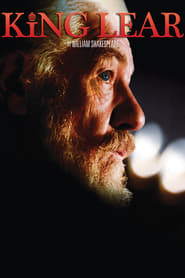
King Lear
Download English Subtitle
Release info
Tags
English subtitle preview
The first 200 lines.
I thought the king had more affected the Duke of Albany than Cornwall.
It did always seem so to us. But now, in the division of the kingdom,
it appears not which of the dukes he values most.
Is not this your son, my lord?
His breeding, sir, hath been at my charge.
I have so often blushed to acknowledge him that now I am brazed to it.
- I cannot conceive you. - Sir, this young fellow's mother could.
Whereupon she grew round-wombed,
and had indeed, sir, a son for her cradle ere she had a husband for her bed.
Do you smell a fault?
I cannot wish the fault undone, the issue of it being so proper.
But I have a son, sir, by order of law, some year elder than this
who yet is no dearer in my account.
Though this knave came something saucily to the world, before he was sent for,
yet was his mother fair; there was good sport at his making,
and the whoreson must be acknowledged. Do you know this noble gentleman, Edmund?
No, my lord.
My lord of Kent. Remember him hereafter as my honourable friend.
My services to your lordship.
- I must love you, and sue to know you better. - Sir, I shall study deserving.
He has been out nine years, and away he shall again.
The King is coming.
Attend the lords of France and Burgundy...
- Gloucester. - I shall, my liege.
Meantime we shall express our darker purpose.
Give me the map... there.
Know that we have divided in three our kingdom,
and 'tis our fast intent
to shake all cares and business from our age,
conferring them on younger strengths,
while we unburdened crawl toward death.
Our son of Cornwall, and you, our no less loving son of Albany.
We have this hour a constant will to publish
our daughters' separate dowers,
that future strife may be prevented now.
The two great princes, France and Burgundy,
great rivals in our youngest daughter's love,
long in our court have made their amorous sojourn.
And here are to be answered.
Tell me, my daughters,
since now we will divest us both of rule, interest of territory, cares of state,
which of you shall we say doth love us most?
That we our largest bounty may extend
where nature doth with merit challenge.
Goneril, our eldest born,
speak first.
Sir, I love you more than words can wield the matter,
dearer than eye-sight, space, and liberty,
as much as child e'er loved, or father found.
A love that makes breath poor, and speech unable.
Beyond all manner of so much, I love you.
Of all these bounds, even from this line to this,
we make thee lady.
To thine and Albany's issues be this perpetual.
What says our second daughter, our dearest Regan, wife to Cornwall?
Speak.
I am made of that self mettle as my sister
and prize me at her worth.
In my true heart
I find she names my very deed of love.
Only she comes too short, that I profess myself an enemy to all other joys
which the most precious square of sense possesses,
and find I am alone felicitate in your dear highness' love.
To thee and thine hereditary ever
remain this ample third of our fair kingdom.
No less in space, validity, and pleasure, than that conferred on Goneril...
And now, our joy,
although our last not least, to whose young love
The vines of France and milk of Burgundy strive to be interessed.
What can you say to draw
a third more opulent than your sisters?
Speak.
- Nothing, my lord. - Nothing?
- Nothing. - Nothing will come of nothing.
Speak again.
Unhappy that I am,
I cannot heave my heart into my mouth.
I love your majesty according to my bond, no more nor less.
How, how, Cordelia!
Mend your speech a little lest you may mar your fortunes.
Good my lord,
you have begot me, bred me, loved me.
I return those duties back as are right fit,
obey you, love you, and most honour you.
Why have my sisters husbands, if they say they love you all?
Haply when I shall wed, that lord whose hand shall take my plight
shall carry half my love with him, half my care and duty.
Sure I shall never marry like my sisters, to love my father all.
But goes thy heart with this?
- Ay, good my lord. - So young, and so untender?
So young, my lord, and true.
Let it be so! Thy truth then be thy dower!
For, by the sacred radiance of the sun, from whom we do exist, and cease to be,
here I disclaim all my paternal care, propinquity and property of blood,
and as a stranger to my heart and thee hold thee from this for ever.
- Good, my liege? - Peace, Kent!
Come not between the dragon and his wrath. I loved her most.
Hence! Avoid my sight!
Call France! Who stirs?
Call Burgundy. Cornwall, Albany.
With my two daughters' dowers digest the third.
Let pride, which she calls plainness, marry her.
I do invest you jointly with my power, pre-eminence.
Ourself by monthly course,
with reservation of one hundred knights, by you to be sustained, shall our abode
make with you by due turn.
Only we shall retain the name, and all the addition to a king.
The sway, revenue, execution of the rest,
beloved sons, be yours, which to confirm,
this coronet part between you.
Royal Lear, whom I have ever honoured as my king,
loved as my father, as my master followed.
The bow is bent and drawn; make from the shaft.
Let it fall rather, though the fork invade the region of my heart.
Be Kent unmannerly when Lear is mad.
What wouldst thou do, old man?
Think'st thou that duty shall have dread to speak when power to flattery bows?
On thy life, no more!
My life I never held but as a pawn to wage against thine enemies.
- Out of my sight. - See better, Lear.
Now, by Apollo...
Now, by Apollo, King, thou swear'st thy gods in vain.
O, vassal, miscreant!
- Forbear! - Revoke thy gift.
Or, whilst I can vent clamour from my throat I'll tell thee thou dost evil.
Hear me, recreant, On thine allegiance hear me!
That thou hast sought to make us break our vow,
which we durst never yet, take thy reward.
Five days we do allot thee for provision
and on the sixth to turn thy hated back upon our kingdom.
If on the next day following thy banished trunk be found in our dominion,
the moment is thy death.
Away!
By Jupiter, this shall not be revoked.
Fare thee well, King, sith thus thou wilt appear,
freedom lives hence, and banishment is here.
The gods to their dear shelter take thee, maid,
that justly think'st, and hast most rightly said.
And your large speeches may your deeds approve
that good effects may spring from words of love.
Thus Kent, O princes, bids you all adieu.
He'll shape his old course in a country new.
Here's France and Burgundy, my noble lord.
My lord of Burgundy, we first address toward you,
what in the least will you require in present dower with her,
or cease your quest of love?
Most royal majesty, I crave no more than what your highness offered.
Nor will you tender less.
Right noble Burgundy, when she was dear to us, we did hold her so.
But now her price is fallen. Sir, there she stands.
She's there, and she is yours.
I know no answer.
Sir, will you, with these infirmities she owns,
unfriended, new-adopted to our hate,
dowered with our curse and strangered with our oath, take her or leave her?
Pardon me, royal sir, election makes not up in such conditions.
Then leave her, sir, for, by the power that made me,
I tell thee all her wealth.
For you, great king.
Avert your liking a more worthier way
than on a wretch whom Nature is ashamed almost to acknowledge.
This is most strange, that she whom even but now was your best object,
balm of your age, should in this trice of time
commit a thing so monstrous to dismantle so many folds of favour.
I yet beseech your majesty if for I want that glib and oily art
to speak and purpose not, that you make known it is no vicious blot, murder, or foulness,
no unchaste action or dishonourable step that hath deprived me of your grace and favour.
But even for want of that for which I am richer.
Better thou hadst not been born than not to have pleased me better.
Is it but this, a tardiness in nature which often leaves the history unspoke
that it intends to do?
My lord of Burgundy, what say you to the lady?
Will you have her? She is herself a dowry.
Royal Lear, give but that portion which yourself proposed,
and here I take Cordelia by the hand,
Duchess of Burgundy.
Nothing! I am sworn.
I am sorry that you have so lost a father that you must lose a husband.
Peace be with Burgundy!
Since that respects of fortune are his love, I shall not be his wife.
Fairest Cordelia, that art most rich, being poor,
most choice, forsaken, and most loved, despised,
thee and thy virtues here I seize upon.
Be it lawful I take up what's cast away.
Gods, gods! 'Tis strange that from their cold'st neglect
my love should kindle to inflamed respect.
Thy dowerless daughter, King, thrown to my chance,
Is queen of us, of ours, and our fair France.
Thou hast her, France; let her be thine, for we have no such daughter,
nor shall ever see that face of hers again.
Therefore begone, without our grace, our love,
our benison!
Come, noble Burgundy.
Bid farewell to your sisters.
The jewels of our father, with washed eyes Cordelia leaves you. I know you what you are.
And, like a sister, am most loath to call your faults as they are named.
Prescribe not us our duties.
Let your study be to content your lord,
who hath received you at Fortune's alms.
You have obedience scanted.
King Lear subtitles in other languages
More English subtitles for King Lear
- King Lear (2008) 1080p BluRay x265 RARBG en · 42 downloads · 2025-09-11
- King LEAR-2008-TV-DVDRip-XviD · 80 downloads · 2010-03-07
- King Lear 2008 TV DVDRip XviD-HAGGiS · 51 downloads · 2008-10-05
- King Lear 2008 TV DVDRip XviD-HAGGiS · 105 downloads · 2008-10-03
Comments
No comments yet. Be the first to leave one.